About
Agrotechnology & Environmental Services
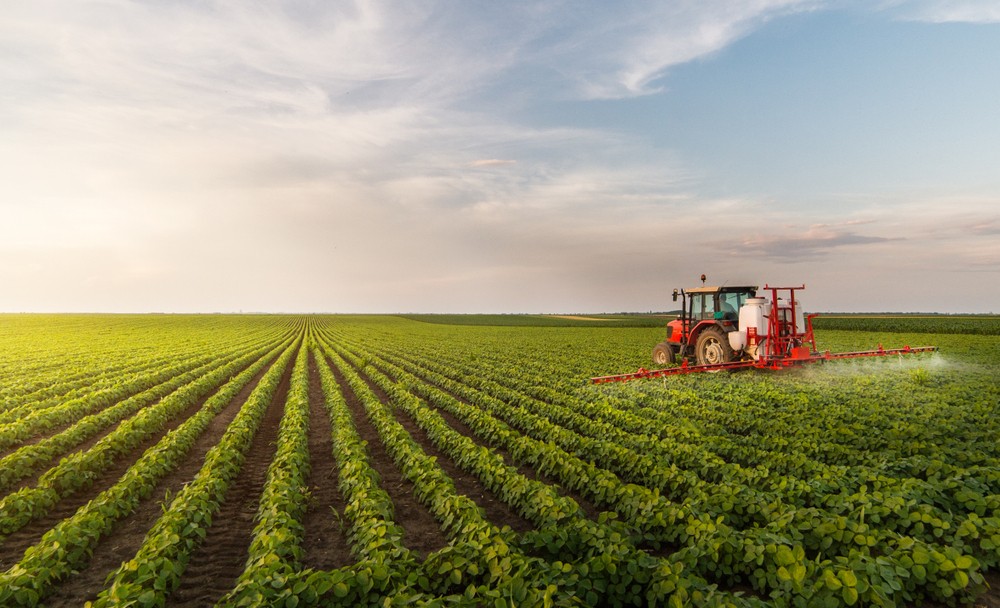
Agricultural Plant take CO2 from the atmosphere by the process of photosynthesis and sun energy power at unstoppable efficiency. Agricultural residue biomass shall be collected and transform it using our technology with innovative reactors, permanently storing the carbon in an inert atmosphere solid form with biochar. We are working on unique innovative process that develops high-quality biochar. This Bio Char is further useful for electric arc furnace, steel Industry and high tech agriculture, soil applications. This further generates innovative 3D Printing applications, renewable energy and creates some of the most carbon credits in the world.
- Atmospheric CO₂ Capture through Advanced Biochar Technology
- Conversion of Agricultural Biomass into High-Quality Biochar
- Sustainable Carbon Credits & Industrial Applications

Biochar and Organic Carbon aids in the accumulation of humus in the soil and hinders the leaching of phosphorus and nitrate. It also reduces nitrous oxide emissions on agricultural land and minimizes the need for irrigation. In addition, the resistance of plants to fungal diseases is increased. As a soil additive, it can serve as a substitute for peat, thereby helping to preserve peatlands. The degradation of these peatlands due to peat extraction leads to methane emissions, a greenhouse gas approximately 28 times more harmful to the climate than CO₂. advanced pyrolysis technology to sequester carbon and improve soil health, this project converts agricultural and wood waste into biochar, which acts as a long-term carbon
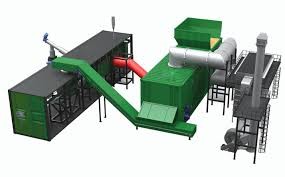
Biomass Pyrolysis Machine
Biochar is produced by thermal carbonization (pyrolysis) of biomass such as waste wood, hedge trimmings as well as other biogenic residues, e.g. from the food industry. Its porous structure and high internal surface area enable it to store water and nutrients and function as a filter material. These attributes make it a versatile substance with significant potential applications in agriculture, industry, and construction.
Biochar primarily serves as a soil conditioner, a peat alternative in the earth industry, or in storm-water management for blue-green infrastructure projects.
Additionally, it substitutes for fossil fuels or high-emission materials in various industrial applications.
Project Gallery
Explore Our Recent Projects
Address
Solhill Renewable Energy Pvt Ltd
Pristine Pronext, Office No- 402, Wing D, Wakad, Near Euro School, Pune – 411057
+91 7219115755
lakhan.s@solhils.com
Project Gallery
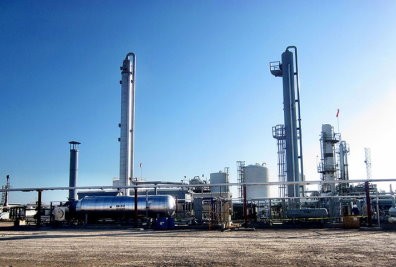
Factory
1532, Sonawane Wasti, Near Jyotiba Maharaj Mandir, Talawade Chikhali Road, Pune 411062
+91 9096389444
enquiry@solhils.com